If you’ve ever stood in your kitchen while your child screamed like the world was ending over the wrong cup, a broken granola bar, or absolutely nothing you could identify… you’re not alone. And if you’re being honest, sometimes it’s hard to tell whether your child is truly overwhelmed or just flat-out pushing boundaries.
That confusion matters more than most parents realize.
One of the biggest mistakes I see parents make is treating every meltdown the exact same way. When we label all difficult behavior as “tantrums,” we end up responding incorrectly. We overreact to emotional overwhelm, or we underreact to behavior patterns that actually need boundaries and correction.
So what are the differences between tantrums and bad behavior and how exactly should you respond without escalating the chaos? Let’s dive in.
Why Tantrums and Bad Behavior Are Not the Same Thing
When my oldest son was three years old, I honestly thought my husband and I had parenting figured out. He skipped the “terrible twos,” and we were feeling pretty smug about it.
Then the terrible threes hit.
Almost overnight, our sweet little boy turned into what I lovingly describe as a Tasmanian devil. The screaming, pushing back, and emotional explosions came out of nowhere. One night during dinner, he launched into a full-blown meltdown, running circles around the table while crying and screaming.
That moment taught me something important:
Not every meltdown means the same thing.
Tantrums Are About Emotional Overload
A true tantrum is usually a loss of control. Your child is emotionally flooded. They are overwhelmed, overstimulated, tired, hungry, frustrated, or simply unable to regulate themselves in that moment.
Their behavior looks chaotic because it is chaotic.
In these moments, parents often make the mistake of over-parenting. We lecture. We reason. We threaten consequences. We try to “fix” the moment while the child is completely dysregulated.
That approach almost always backfires.
Bad Behavior Is Different
Bad behavior is more intentional. It’s a misuse of control instead of a total loss of control.
Your child may still be emotional, but they’re also aware of what they’re doing. They may be:
- Testing limits
- Delaying something
- Looking for attention
- Trying to control the situation
- Watching your reaction closely
That behavior needs boundaries and follow-through, not endless soothing.
5 Ways to Tell If It’s a Tantrum or Bad Behavior
One of the easiest ways to tell the difference is to ask yourself this:
Is this passing behavior or repeating behavior?
Here are the five filters I teach parents to use.
1. Is My Child Emotionally Flooded?
A child in a true tantrum often looks completely unraveled. They cannot calm down just because you offer a reward or consequence.
A child showing bad behavior usually still has some control and awareness.
2. Is There a Goal Behind the Behavior?
Tantrums are emotional release.
Bad behavior usually has a payoff:
- Attention
- Avoidance
- Power
- Control
- Delay
If the behavior is accomplishing something for your child, you’re likely dealing with a behavior pattern, not just overwhelm.
3. Are They Watching My Reaction?
This one is huge.
Kids in true tantrums are often too dysregulated to care who’s watching.
Kids engaging in bad behavior are usually very tuned into your response. They escalate if it’s working. They may suddenly behave differently when another adult walks in the room.
That awareness tells you a lot.
4. Can They Suddenly Stop?
If your child magically calms down the second the situation changes, that’s valuable information.
Bad behavior often stops quickly when the payoff disappears. A real tantrum usually cannot shut off instantly because the nervous system is still overwhelmed.
5. What Do They Need From Me Right Now?
Tantrums need calm, space, and less engagement.
Bad behavior needs leadership, accountability, and consistency.
That’s the difference.
How to Respond to a Toddler Tantrum Without Yelling
The goal during a tantrum is simple:
Stop feeding it.
That doesn’t mean you’re abandoning your child. It means you’re refusing to fuel the emotional fire with more energy, more talking, or more chaos.
Less Talking, Less Screaming
This is not the time for:
- Lectures
- Negotiation
- Reasoning
- Long explanations
Your child literally cannot process that information in the middle of emotional overload.
Instead, keep your words short and calm:
- “I see you’re upset.”
- “You can join us when you’re ready.”
- “I’ll be nearby when you calm down.”
That’s enough.
Why Ignoring a Tantrum Often Works
When my son melted down around the dinner table, my husband and I decided ahead of time that we would not react.
We kept eating.
We kept talking.
We even fake laughed through it.
And eventually, the tantrum lost steam because there was no audience and no emotional fuel.
That’s why the viral “Jessica” parenting trend works too, or something similar. Parents are interrupting the emotional cycle by doing something completely unexpected and non-reactive.
How to Correct Bad Behavior Without Constant Power Struggles
Bad behavior is where parenting and leadership step in.
Ignoring repeated behavior patterns usually makes them stronger.
Consistency Builds Emotional Security
One of the biggest confidence builders for kids is consistency. Kids feel safer when they know what to expect from us.
That means:
- Clear expectations
- Calm follow-through
- Predictable consequences
- Respectful correction
Not screaming. Not empty threats.
Give Your Child Healthy Responsibility
This is one of my favorite strategies because it redirects attention-seeking behavior into purpose.
Kids behave better when they feel useful and connected.
That might look like:
- Helping make dinner
- Taking care of the dog
- Leading stretches before bedtime
- Being responsible for a family task
Purpose changes behavior.
One-on-One Time Matters More Than Parents Think
A lot of bad behavior is rooted in connection-seeking.
Ten focused minutes a day with your child can dramatically reduce attention-seeking behavior patterns.
It doesn’t have to be fancy.
It just has to feel intentional.
The Parenting Mistakes That Make Meltdowns Worse
I learned these the hard way, and honestly, most parents do.
Here’s what usually does not work:
- Empty consequences
- Yelling
- Overexplaining
- Repeating yourself
- Threatening punishments you won’t enforce
- Using the same response over and over while hoping today is magically different
If the behavior keeps repeating, the response probably needs to change.
Your child’s behavior is giving you information. The goal is not to react emotionally to the noise. The goal is to correctly diagnose what’s happening so you can respond effectively.
Diagnosing The Behavior Correctly Shifts Everything
Tantrums and bad behavior may look similar on the outside, but they are not the same thing.
A tantrum is emotional overload.
Bad behavior is a behavior pattern.
And when we finally stop treating them like one giant category called “problem behavior,” parenting gets so much clearer.
You don’t need to yell louder.
You don’t need harsher punishments.
And you definitely don’t need to believe your child is “bad.”
You just need the right response for the behavior that’s actually happening.
That shift changes everything.
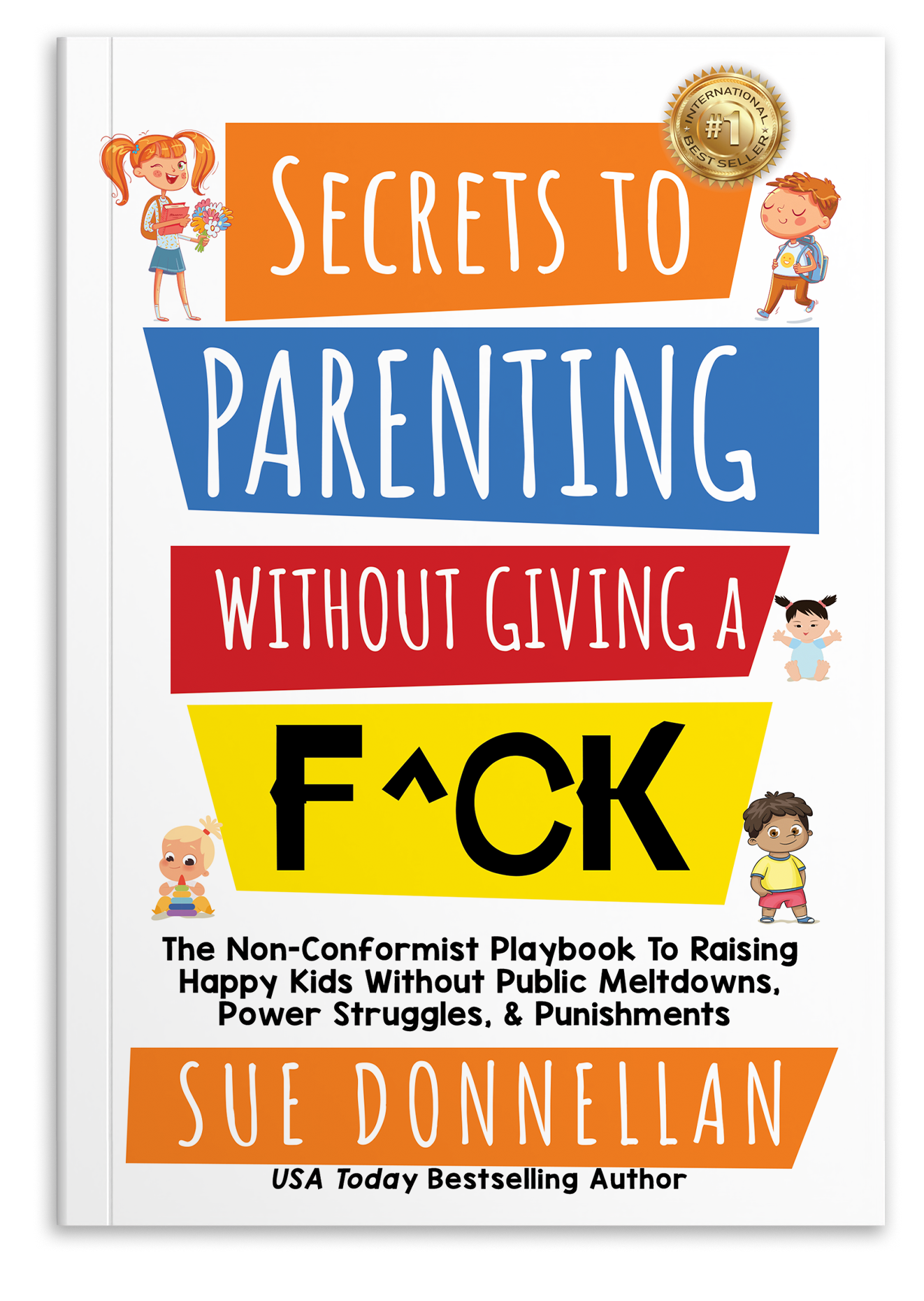
A Solution Is On The Way
I’ve bundled three of my most-requested resources into one simple kit to make your life easier, and your days (and nights) more peaceful. Get the Tantrum & Behavior Rescue Kit today to help you respond calmly, confidently, and effectively!