Are You Parenting From Strength… or From Fear?
Have you ever heard yourself say “yes” even though every part of you wanted to say “no”?
Maybe your child asks for five more minutes of screen time, another snack before dinner, or to stay up later. You know the answer should be no, but you just don’t have the energy for the argument.
So you give in.
Then twenty minutes later you’re frustrated, your child is pushing for even more, and somehow you’re the one feeling guilty.
If that sounds familiar, you may be parenting from old people-pleasing patterns instead of from confidence and certainty.
I see this all the time with parents, especially those raising strong-willed kids. The problem isn’t that your child has a big personality. The problem is that your old survival habits are colliding with a child who was born to question everything.
The good news? You don’t have to become a harsh person to become a stronger parent.
You simply have to stop abandoning your own boundaries.
Why People-Pleasing Makes Parenting a Strong-Willed Child So Difficult
Many of us grew up believing that being “good” meant being agreeable.
Maybe you learned to stay quiet, avoid conflict, or make everyone around you happy. Those habits probably helped you survive your childhood, but they don’t help you lead your own children.
When you become a parent, especially to a strong-willed child, those old patterns suddenly become obvious.
Strong-willed kids don’t naturally comply.
They negotiate.
They ask questions.
They push back.
And if you’ve spent your entire life trying to avoid upsetting people, parenting can suddenly feel exhausting.
The truth is, people-pleasing isn’t kindness.
Most of the time it’s fear wearing good manners.
Kindness Isn’t the Same as Confidence
When parents struggle to hold boundaries, they usually aren’t trying to be permissive.
They’re trying to avoid uncomfortable emotions.
You might worry:
- What if my child gets upset?
- What if they think I’m mean?
- What if this damages our relationship?
- What if the meltdown gets even bigger?
Instead of making a parenting decision, you’re trying to escape emotional discomfort.
But your child’s temporary disappointment is not a parenting emergency.
Leadership often requires allowing your child to have feelings while you remain steady.
Ask Yourself a Better Question
People-pleasing parents often ask:
“How will this make my child feel?”
Instead, try asking:
“What does this teach my child to expect from me?”
That one question shifts your focus from avoiding conflict to building trust.
Your child may not like every boundary, but they can absolutely trust one that is consistent.
Small Language Changes Create Big Parenting Results
One of the fastest ways to stop people-pleasing is to pay attention to your language.
Strong-willed children are excellent at finding loopholes.
If you ask a question when you’re really giving an instruction, don’t be surprised when they answer honestly.
Stop Asking Fake Questions
Instead of saying:
“Do you want to put your shoes on?”
Try:
“It’s time to put your shoes on.”
Instead of:
“Can you come to dinner?”
Say:
“Dinner is ready. Come to the table.”
Questions invite choices.
Statements communicate leadership.
That tiny shift eliminates countless unnecessary power struggles.
Stop Negotiating Your Boundaries
Another common habit I see is treating boundaries like they’re opening offers.
“Okay… five more minutes.”
“Well… just this once.”
“Fine, but tomorrow will be different.”
Except tomorrow usually isn’t different.
Every time we negotiate a boundary, we’re teaching our child that persistence works.
Instead, decide ahead of time.
If screens end after thirty minutes, then they end after thirty minutes.
No long explanation.
No debate.
Just calm follow through.
That’s what I call Parenting in Advance™. Decide before emotions take over.
Your Child’s Feelings Are Their Job
This is one of the hardest mindset shifts for people-pleasing parents.
We often believe it’s our responsibility to make our child feel better.
It isn’t.
Your responsibility is to lead.
Their responsibility is to experience their feelings.
Disappointment Is Not Dangerous
A disappointed child is not a damaged child.
A frustrated child is not an unsafe child.
Disappointment is simply emotional weather.
It comes.
It goes.
You don’t have to rescue your child from every uncomfortable feeling.
In fact, constantly rescuing them teaches them that boundaries only exist until someone becomes upset.
That doesn’t build confidence.
It builds uncertainty.
Stop Selling Your Decisions
Many parents try to convince their child that the boundary is actually a good idea.
We over-explain.
We apologize.
We soften everything.
Instead of saying:
“I’m sorry. I know this stinks. Please don’t be mad.”
Try:
“I know you’re disappointed. The answer is still no.”
Calm.
Simple.
Confident.
Leadership doesn’t require a three-page explanation.
Strong-Willed Kids Are Often Preparing You for Better Parenting
Here’s something I tell parents all the time.
Your strong-willed child is not bad.
In fact, many of the qualities that frustrate you today are the same qualities you’ll admire when they’re adults.
These kids often become leaders.
They’re resilient.
They’re independent.
They’re less likely to give in to peer pressure.
They advocate for themselves.
Those are incredible life skills.
Our job isn’t to crush that spirit.
Our job is to teach them how to use it well.
The irony is that strong-willed children often become our greatest teachers.
They expose every inconsistency.
Every weak boundary.
Every people-pleasing habit we didn’t even realize we still had.
And while that can be uncomfortable, it’s also an incredible opportunity to grow.
When we become calmer, clearer, and more consistent, our children benefit and so do we.
One Week of Homework That Can Change Everything
For one week, don’t try to fix anything.
Simply observe.
Each time your child pushes back, ask yourself:
- What did my child want?
- How did they try to get it?
- What did I do next?
Did you explain?
Repeat yourself?
Negotiate?
Give in?
Or calmly follow through?
Patterns reveal payoffs.
Once you recognize the pattern, you can stop accidentally rewarding the behaviors you don’t want to continue.
Awareness is always the first step toward change.
Steady Leadership Wins The Day
If you’re a people-pleasing parent raising a strong-willed child, I want you to remember this:
Your child’s strong will is not the problem.
Your old patterns are simply being exposed.
The goal isn’t to become stricter.
The goal is to become steadier.
Steady doesn’t mean your child never gets upset.
It means they know they can trust you to stay calm, stay consistent, and mean what you say.
That kind of parenting builds confidence, not just in your child, but in you too.
Get Solutions for Your Parenting Struggles
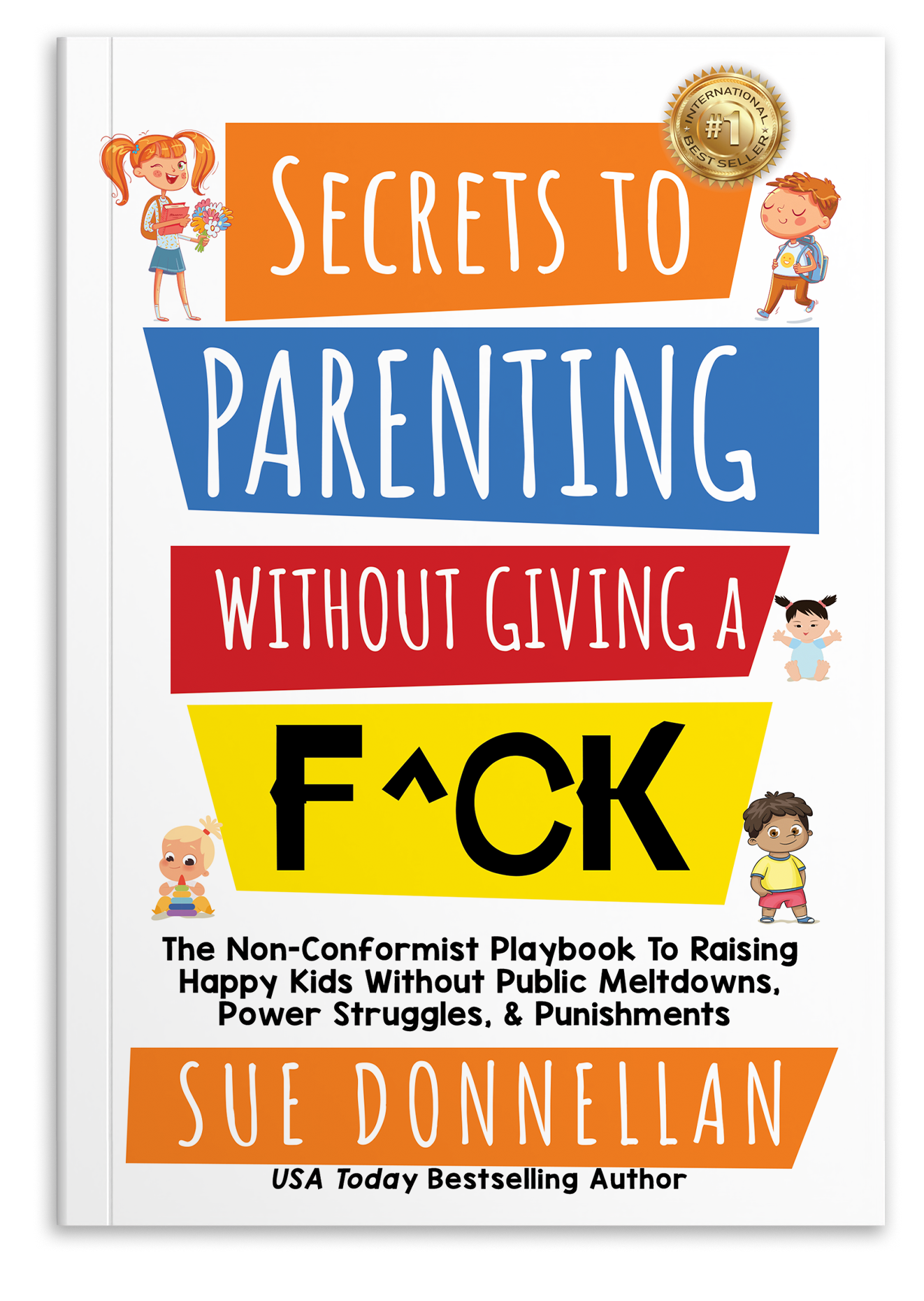
If you’re tired of yelling, second-guessing yourself, or feeling like your strong-willed child is always one step ahead, you don’t have to figure it out alone. Start your journey to a more peaceful home with these Ask Mom Parenting resources.
Start Here:
Together, we can build practical strategies that help you parent with confidence, hold boundaries without guilt, and create a calmer home for your entire family.